

Choosing a pool builder is one of the most important decisions you’ll make as a homeowner. In Phoenix, over 8 different companies all claim to be the #1 pool builder. How does a customer decide the best option for themselves?
At Shasta Pools, we’ve been designing and building pools in Arizona since 1966. Over the past six decades, our team has helped thousands of homeowners create backyard spaces built specifically for desert conditions. Along the way, Shasta has been recognized nationally as one of the Top 50 Pool Service Companies in the United States by Pool & Spa News and Jandy.
That experience matters because building a pool in Phoenix isn’t the same as building anywhere else. The region’s expansive soil and extreme summer heat create challenges that require specialized engineering and construction practices.
In this article, we’ll explain why Phoenix pool construction is unique. Also, we separate experienced builders from risky shortcuts, and the questions every homeowner should ask before choosing a builder.
Table of Contents
- Why Building a Pool in Phoenix Is Not the Same as Other Parts of the Country
- Why the Soil in Phoenix Makes Builder Experience Critical
- What Are the Risks of "Owner Builder" Pool Contractors?
Why Building a Pool in Phoenix Is Not the Same as Other Parts of the Country
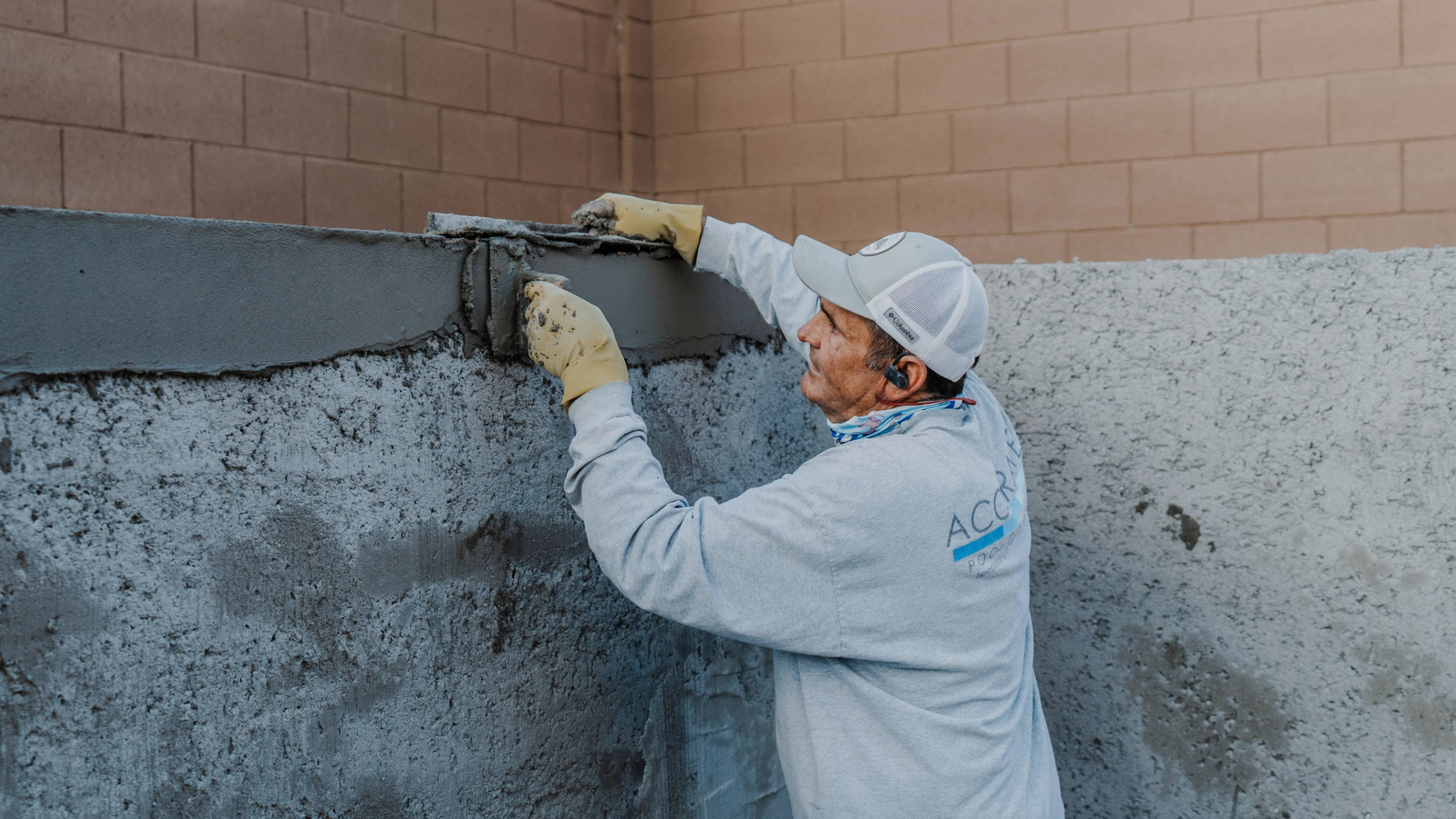
Phoenix Valley pools require different construction practices than other parts of the United States. Also, the expansive soil and year-round swimming provide the two biggest challenges. Most pools are constructed using shotcrete because it provides the strength needed to withstand extreme heat and shifting soil conditions.
The ground itself is one of the biggest differences. Much of the Phoenix area sits on expansive clay soil. The soil expands when it absorbs moisture and that ground movement can place tremendous pressure on the pool.
According to Jake Priest, pool designer at Shasta Pools:
“When our soil gets wet, it expands. So what you’re putting into the ground has to be able to withstand any movement.”
Phoenix pools typically require thicker concrete shells and stronger steel reinforcement. Experienced construction teams understand how to build for desert conditions.

Why Phoenix Pools Must Be Built Differently
|
Year-round use: Many Phoenix homeowners use their pools far more often. Pumps, finishes, and equipment experience significantly more wear over time. |
Extreme sun exposure: 300 sunny days per year can fade and deteriorate materials faster. Heat-resistant decking and durable pool finishes are essential. |
|
Monsoon storms: Summer monsoons bring heavy rain and large amounts of debris. Proper filtration and equipment sizing are critical to keep pools clean and balanced. |
Expansive desert soil: Much of the Phoenix area sits on soil that expands when wet. Without strong steel reinforcement the ground movement can damage a pool. |
|
Local permitting requirements: Each Phoenix-area municipality has its own building codes. Experienced builders can navigate the approval process efficiently. |
Concrete construction: Shotcrete pools perform better in extreme desert conditions. |

Why the Soil in Phoenix Makes Builder Experience Critical
One of the most important challenges of building a pool in Phoenix is the soil. Much of the Valley sits on expansive clay soil. This soil expands when it absorbs moisture and contracts as it dries. That movement can place enormous pressure on anything built in the ground, including swimming pools.
According to Jake Priest, pool designer at Shasta Pools:
“When our soil gets wet, it expands. So what you’re putting into the ground has to be able to withstand any movement.”
That’s why experienced Phoenix pool builders typically use thicker shotcrete shells and stronger steel reinforcement. The best pool builders deliver construction practices designed specifically for Arizona’s soil conditions. In Phoenix, what’s happening beneath the surface is just as important as the design you see above it.

How Does Shasta Pools’ Key-Locking Deck Handle Expansive Soil?
When the deck is poured next to the pool shell without structural reinforcement, soil movement can cause the concrete deck to lift over time. This creates gaps between the deck and the pool tile.
James Arrowwood, designer at Shasta Pools, explains how we address this challenge:
“In Arizona’s expansive soils, the ground expands and contracts as it gets wet and dry. A normal deck is poured right next to the pool shell, so over time the deck can lift away from the pool and create a gap between the deck and the tile.
At Shasta, we build what’s called a key-locking deck. We reinforce the bond beam — the top rim of the pool — with stronger #4 steel. Then every three feet we install vertical steel bars that wrap up and over into the deck structure. That steel ties the deck directly into the pool shell so it stays locked in place instead of lifting like a typical floating deck.”
Are you planning a pool in Phoenix? Start with the budget. Understanding the real costs behind pool construction can help you compare builders and avoid surprises. Read our guide for How to Budget for a Pool.

What Are the Risks of "Owner Builder" Pool Contractors?
Hiring an “owner builder” or pickup-truck contractor can sometimes appear cheaper at first. However, it often comes with significantly higher risk for homeowners. In many cases, the homeowner not the contractor becomes legally responsible for the project.
When a pool is built under an owner-builder permit, the permit is typically issued in the homeowner’s name. That means if something goes wrong with the construction, the responsibility for resolving it may fall on the homeowner rather than the contractor.
According to Jake Priest, pool designer at Shasta Pools:
“A lot of people think they can save half by going the owner-builder route. In reality, it’s usually closer to 10–15%. But the risk range is much wider because the permit is often under your name.”
Owner-builder projects can also make it more difficult to enforce warranties. resolve construction issues, if a contractor fails to complete work properly homeowners may have limited recourse.

What Can Go Wrong with Owner-Builder Pool Projects
If someone gets injured on your job site and the contractor doesn't have proper insurance, you're on the hook for medical bills and compensation. Arizona law makes unlicensed contracting work a Class 1 misdemeanor.
Jake Priest, a designer with seven years at Shasta Pools, shared a story that shows how bad this can get:
"We got a call that a pool had split in half. When we did some homework on it, it was only 2-3 years old. In the removal, we found the amount of steel wouldn't have met code. Apparently, the guy built it out of the back of his truck and had stripped steel to save costs. When they tried to find him, he was out of business gone."
What part of a pool actually drives the cost? Many homeowners are surprised to learn which parts of a pool project impact the budget the most. Understanding these factors can help you compare proposals and make smarter design decisions. Read: What Is the Most Expensive Part of Building a Pool?
What Licensed Contractors Actually Protect You From
Licensed contractors participate in the Residential Contractors' Recovery Fund. This fund provides up to $30,000 in financial recourse if work is unsatisfactory. Unlicensed pool professionals often void manufacturer warranties. You're paying labor costs that usually cost more than the part.
Established pool builders have something to lose. Their reputation, their license, their business. You have legitimate recourse through licensing boards and established business relationships.
Experience Matters When Building a Pool in Phoenix
Building a pool in Phoenix isn’t the same as building one in most other parts of the country. From expansive soil and intense summer sun, the desert environment places unique demands on how pools are designed and constructed.
An experienced Phoenix pool builder understands how local soil behaves. Experience helps with which materials hold up best in Arizona’s climate and how to engineer a pool that can handle decades of use.
You want to work with a builder who understands Phoenix conditions. A pool designed for Arizona’s unique environment becomes a space your family can enjoy for many years to come.

FAQs
Q1. How much does it typically cost to build a pool in Phoenix? The cost of building a pool in Phoenix can range from $40,000 to $95,000.
Q2. Why is choosing the right pool builder so important in Phoenix? Selecting the right pool builder in Phoenix is crucial due to the unique challenges posed by the local soil and climate.
Q3. How can I protect my pool investment in Phoenix's harsh climate? To protect your pool investment, consider using pebble tech finishes instead of plaster for durability.
Q4. What are the risks of hiring an unlicensed pool contractor in Phoenix? Hiring an unlicensed pool contractor in Phoenix may lead to lack of warranty protection, potential legal liabilities, and difficulty in seeking recourse for poor workmanship.
Topics:
