

You're planning a new pool, and your pool designer mentioned a robotic pool cleaner. Then you saw the price $700 tag and wanted to get more information. Now, the question of how long their lifespan matters before we make an additional investment.
I just sat down with TJ Gapinski from Solenis, the Beatbot manufacturer rep. He's been selling robotic and suction cleaners for 32 years. He shares how long robotic cleaners last and what changed in the last five years.
Shasta adds the Beatbot robotic cleaners to new pool construction projects when we feel they are the right fit. We utilize in-floor cleaning, suction cleaning, and robotic cleaners that all depend on what is best for each customer. This article continues our commitment to offering data that helps homeowners make the best decisions.
Table of Contents:
- How long does a robotic pool cleaner last?
- What makes one robotic cleaner last longer than another?
- Does Arizona heat and dust kill robotic cleaners faster?
- How long should you expect a robotic pool cleaner to last?
How long does a robotic pool cleaner last?
Most modern robotic pool cleaners last 5 to 7 years with normal use. Normal use consists of running it once or twice a week. Heavy daily use, like running it everyday, cuts the average lifespan to 3 to 4 years.
Older Corded Models vs Newer Cordless Models
"When they first came out, they were like five to eight thousand dollars just for the robotic cleaner, which was like your Dolphins. The ones that usually had a cord, I've seen when I was selling them and working on them, they last maybe two or three years before you have an issue with the cord that needs to be replaced. The motor itself, that needs to be not really sealed. It just had a simple gasket to plug it. And if it's not a warranty issue, you're spending three to five hundred dollars for that cord or that motor block." — TJ Gapinski, Solenis
So, if you've talked to someone who said their robotic cleaner died in two years. They probably had an older corded unit. The cord was the failure point. And once it broke, the repair cost was so close to a new cleaner.
Newer cordless units are sealed differently. No cord to crack. Motor block is fully sealed. You charge it, drop it in, take it out, rinse the basket. That's it. TJ's experience selling Beatbot specifically over the last two and a half years has been a less than 1% failure rate across all units sold.
What makes one robotic cleaner last longer than another?
Battery, seals, and how often you run it. Those are the three things that decide if your cleaner lasts 3 years or 7.
The Beatbot lineup is rated for about 1,000 charging cycles before the battery starts losing its full capacity. If you charge it once a week, that's roughly 19 years before the battery is the limiting factor. If you charge it every day, you hit that number in under 3 years.
A Thousand Charging Cycles
"It's like, let's say a thousand charging cycles is what it's authorized before the battery can start losing its full charge capacity. So you should have a long life. But again, if you were charging it every day, using it every day, as soon as it's done putting it back in, it's made to be three to four years." — TJ Gapinski, Solenis
The other factor is whether the motor and electronics are actually sealed. Older corded units had a simple gasket. Newer cordless Beatbot units are factory sealed. The seal isn't something you can break and reseal yourself, and the parts inside aren't designed for a local pool shop to service.
That sounds like a downside. It isn't. The sealed design is why the failure rate is under 1%. Nothing for water to creep into. Nothing for chemicals to corrode from the inside.

Does Arizona heat and dust kill robotic cleaners faster?
Short answer: no. Use and care kill them. Not the climate.
Arizona homeowners' assumption is that the heat, the UV, the monsoon dust, and the hard water all gang up on the cleaner and shorten its life. That's not what we see.
How we use the cleaner
"Again, it's going to be dependent on the use. So the conditions of the water and what it picks out, it's not going to play into the longevity of the cleaner. But again, it's going to be more water chemistry and charging." — TJ Gapinski, Solenis
The Beatbot is sealed. The dust and silt go into the basket. The basket gets rinsed out. The cleaner itself doesn't suffer from what it's picking up.

What does shorten the robotic pool cleaner's life:
-
Charging it in direct sunlight while it sits on the deck
-
Putting it back in the pool right after a shock treatment
-
Skipping the rinse after a heavy monsoon cleaning cycle
-
Running it 24/7 instead of a few times a week
None of those are Arizona problems. Those are owner habits.
If anything, robotic cleaners are better suited for Arizona pools than suction cleaners are. The fine dust we deal with here passes right through most cartridge filters. The Beatbot basket on the P300 Pro and Ultra catches it before it ever reaches your filter.
The basket on the P300 Pro or the Ultra is going to catch that fine stuff, leaving your filter cartridge to catch other stuff. So, you're not gonna have to do the filter maintenance, pull it all out, hose it down and put it back together.
So, the climate isn't the problem. The bigger risk is treating it like a Roomba and forgetting it exists.
How long should you expect a robotic pool cleaner to last?
If you take care of it, 5 to 7 years. If you run it every day without rest, 3 to 4. The category has changed. Sealed cordless units don't fail the way old corded ones did, and the failure rate on Beatbot has been under 1% over the last two and a half years.
The decision for new pool buyers isn't really "will this last." It's whether a robotic cleaner fits how you want to maintain your pool. Some homeowners pair it with in-floor cleaning. Some use it as their primary cleaner on a fiberglass build where in-floor isn't an option. Some go with a suction cleaner instead because the upfront cost is lower.
Each one is a real option. We build both new pools with in-floor systems and new pools that lean on robotic cleaners. The right answer depends on your pool design, how often you want to be involved in cleaning, and how much you want to spend up front versus over time.
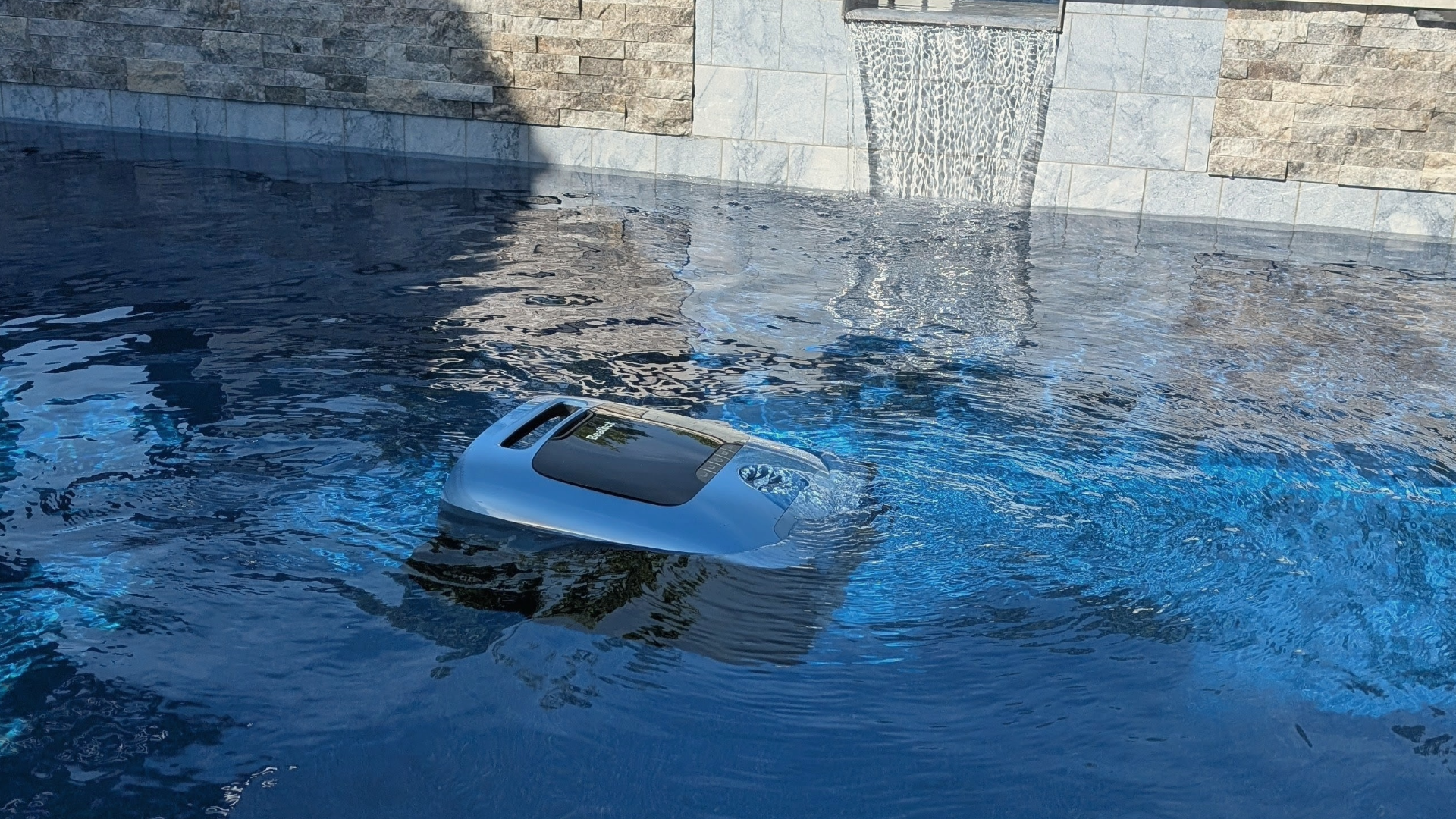
That matches what we see on our test pool here at Shasta too.

References
- Beatbot warranty policy: https://beatbot.com/pages/warranty-policy
- Beatbot Care (extended warranty): https://beatbot.com/pages/beatbot-care
- Beatbot quality and certifications: https://beatbot.com/pages/quality-service
- What are the Best Robotic Inground Pool Cleaners: What are the Best Robotic Inground Pools Pool Cleaners in 2026?
Topics:
