

Updated: July 21, 2026
Along with pool ownership comes regular pool maintenance and odd repairs, which includes pool resurfacing. Whether we like it or not, there will come a time when your pool will benefit from or downright need to be resurfaced. These are just some of the signs that indicate that your pool may need pool resurfacing:
What Are the Signs a Pool Needs Resurfacing?
There are three big ways to tell if your pool needs to be resurfaced. First, it has a pitted or chalky finish. Second, the pool chemistry won't stay balanced no matter what you do. Third, the surface is so worn or outdated you're embarrassed to have people over.
-
Pitting, scarring, or chalking on the surface
-
Chemistry that won't hold
-
A finish that's 15–20+ years old
-
Visible calcium loss or a surface that feels gritty
Arizona Tough on Pool Finishes
"It's getting sun and UV and all that every day, hitting it hard... And it doesn't affect the plaster or pebble tech as much as it would down here. If you added too much acid or your chemical balance was off, it could hurt the plaster and really be noticeable... you can actually draw the calcium and stuff in the cement out of a pebble tech pool." - Chuck Schuck, 40 Year Pool Equipment and Construction Veteran

Your Finish Is Pitted and Scarred
Over time, the chemicals that we put into our pool’s waters to keep it sparkling clean will begin to show their wear and tear on your pool’s finish. When you begin to notice pitting, scarring, or chalking, that’s a fairly strong indication that your pool needs to be resurfaced or will need it soon. Choosing not to resurface your pool at this point will ultimately result in a leaky pool (and pool resurfacing costs are significantly less than fixing a leaky pool!).
Your Pool Chemistry Won’t Stay Balanced
A number of factors may go into the reasons why you water won’t stay balanced, and the surface of your pool should be one of the last considerations in this regard. However, if you’ve done your troubleshooting and have few to no other ideas as to why your pool is becoming increasingly difficult to maintain, it may be time to resurface the pool.
You Can’t Stand the Sight of your Pool
If your pool is 10, 20 or even 30 years old, then it’s possible that the finish of your pool is outdated and is offending your visual sensibilities. Pool resurfacing allows you to not only further prevent any future leaks, but it also gives you the option of choosing a brand new and updated look for your pool, such as pebble or exposed aggregate, that will better match your outdoor living space.

Is My Pool Surface Failing?
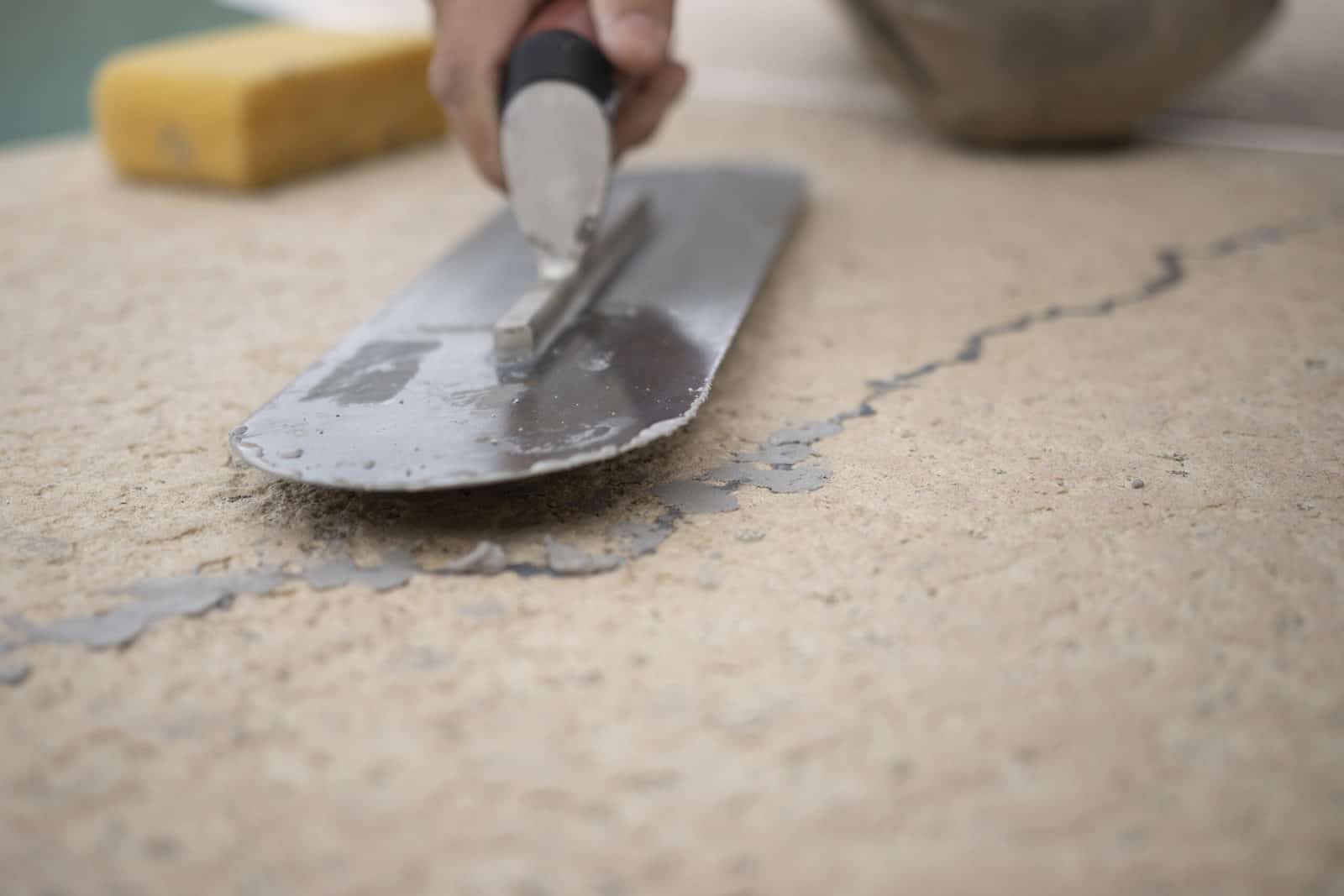
Does your pool surface feel rough underfoot or show dark or blotchy staining? With visible cracking, the finish is breaking down.
-
Rough or sandpaper-like texture — the surface is wearing down or chemical imbalance
-
Dark staining or blotchy discoloration — often calcium or mineral deposits pulled out of the plaster/Pebble Tec
-
Visible cracks — can signal the finish has aged past its life expectancy
-
Chalky residue on your hand after touching the wall — a classic sign the cement layer itself is deteriorating
Topics:
